Official Trézor™ Bridge® — Introducing the New Trezor®
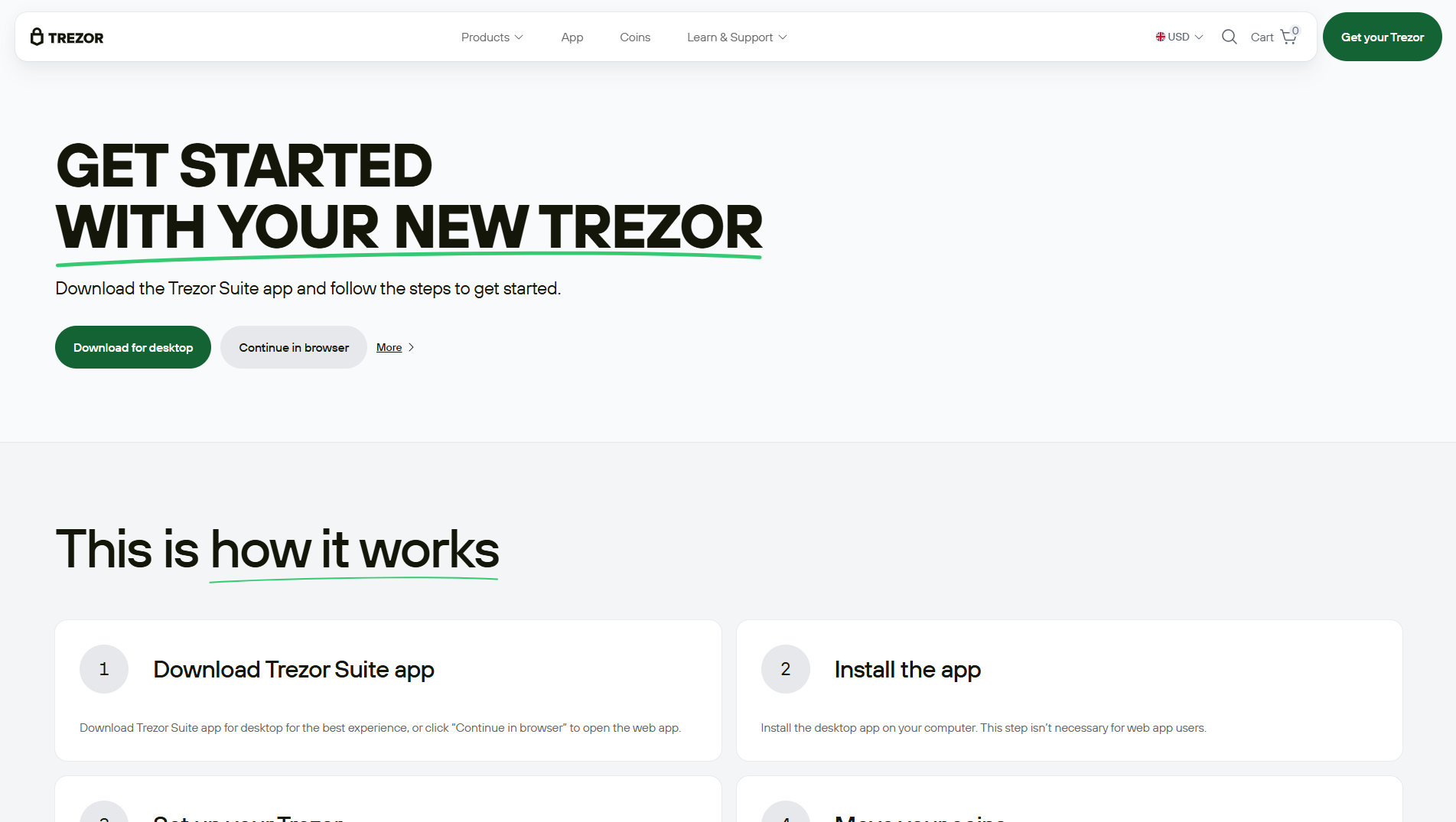
Introduction to Trezor Bridge
Trezor Bridge is a lightweight background service that enables secure communication between your Trezor hardware wallet and your web browser. It acts as a trusted connector, ensuring that sensitive cryptographic operations remain isolated within your Trezor device while still allowing web-based applications, such as Trezor Suite (web version), to function smoothly.
Unlike browser extensions or plugins, Trezor Bridge runs independently on your operating system. This design choice improves both reliability and security by reducing dependency on third-party browser components. Once installed, Trezor Bridge works silently in the background, automatically detecting your connected device and enabling supported websites to interact with it.
This guide provides a comprehensive overview of Trezor Bridge, including how it works, why it is important, how to install it, and best practices for maintaining a secure environment.
What Is Trezor Bridge and Why It Exists
Modern web browsers are intentionally restrictive when it comes to accessing USB devices. These restrictions are essential for security, but they also make it difficult for hardware wallets to communicate directly with browser-based applications. Trezor Bridge was developed to solve this problem.
Trezor Bridge serves as a secure intermediary between your Trezor device and your browser. When you access a supported web application, the browser sends requests to Trezor Bridge. The Bridge then forwards those requests to your hardware wallet, waits for user confirmation on the device itself, and returns only approved responses back to the browser.
At no point does Trezor Bridge gain access to your private keys or recovery seed. All critical cryptographic actions occur exclusively inside the hardware wallet, preserving the core security model that Trezor is known for.
Key Features of Trezor Bridge
Trezor Bridge is designed to be minimal, stable, and secure. Some of its most important features include:
- Background Operation: Runs quietly without user interaction once installed.
- Cross-Browser Support: Works with major browsers including Chrome, Firefox, Edge, and others.
- Automatic Device Detection: Instantly recognizes when a Trezor device is connected or disconnected.
- Secure Communication Channel: Uses encrypted and authenticated communication between the browser and the device.
- No Credential Storage: Does not store passwords, private keys, or recovery data.
- System-Level Reliability: Operates at the operating system level rather than relying on browser plugins.
These features make Trezor Bridge a dependable solution for users who prefer accessing Trezor services through a web interface instead of a desktop application.
How Trezor Bridge Works
When you connect your Trezor hardware wallet to your computer, Trezor Bridge immediately detects the device. Supported websites then communicate with the Bridge through a local connection.
The process typically follows these steps:
- You open a supported Trezor web application.
- The browser checks whether Trezor Bridge is installed and running.
- The application sends a request (for example, account access or transaction signing).
- Trezor Bridge forwards the request to your hardware wallet.
- The Trezor device displays the request details on its screen.
- You manually confirm or reject the action on the device.
- The confirmed response is sent back through the Bridge to the browser.
This flow ensures that no sensitive operation can occur without physical user approval.
Installing Trezor Bridge
Installing Trezor Bridge is a straightforward process and typically takes only a few minutes.
Step 1: Check Your System
Trezor Bridge supports major operating systems, including Windows, macOS, and Linux. Ensure your system is up to date before proceeding.
Step 2: Download from the Official Source
Always download Trezor Bridge from the official Trezor website. Avoid third-party sources, as modified installers may pose serious security risks.
Step 3: Run the Installer
After downloading, run the installer and follow the on-screen instructions. Administrative permissions may be required depending on your operating system.
Step 4: Verify Installation
Once installed, Trezor Bridge will start automatically. You can usually verify that it is running by checking your system tray or background services.
Trezor Bridge vs Trezor Suite
Many users wonder whether they still need Trezor Bridge if they use Trezor Suite. The answer depends on how you access Trezor services.
- Trezor Suite Desktop: Does not require Trezor Bridge, as it communicates directly with the device.
- Trezor Suite Web: Requires Trezor Bridge to enable browser-based communication.
If you frequently switch between devices or prefer not to install desktop software, Trezor Bridge remains an essential component for web-based access.
Security Considerations and Best Practices
While Trezor Bridge is designed with strong security principles, users should still follow best practices to minimize risk.
- Always verify website URLs before connecting your device.
- Keep your operating system and browser updated.
- Install firmware updates for your Trezor device promptly.
- Never enter your recovery seed into a browser, website, or computer.
- Disconnect your Trezor when it is not actively in use.
Remember that Trezor Bridge does not bypass the need for user vigilance. It enhances security, but safe behavior remains essential.
Troubleshooting Common Issues
Bridge Not Detected
If a website cannot detect Trezor Bridge, try restarting your browser or computer. Ensure that no firewall or antivirus software is blocking local connections.
Device Not Recognized
Check your USB cable and try a different port. Avoid USB hubs when possible, as they may cause connection instability.
Browser Conflicts
Disable conflicting wallet extensions or privacy tools temporarily to determine whether they are interfering with communication.
Frequently Asked Questions
Is Trezor Bridge safe to use?
Yes. It does not store sensitive data and only facilitates communication between trusted components.
Can I uninstall Trezor Bridge?
Yes. If you only use Trezor Suite Desktop, Trezor Bridge is not required.
Does Trezor Bridge collect personal data?
No. It does not track user activity or collect personal information.
Conclusion
Trezor Bridge plays a vital role in enabling secure, browser-based interaction with Trezor hardware wallets. By acting as a dedicated communication layer, it preserves the security advantages of hardware-based key storage while maintaining usability and convenience.
For users who rely on web interfaces or manage their assets across multiple systems, Trezor Bridge remains an essential and trusted component. By installing it correctly, keeping it updated, and following security best practices, you can ensure a safe and reliable experience when managing your digital assets.
This content is provided for educational and informational purposes only and does not represent an official login or transaction service.